Painted Ceilings Benefits and the Proper Way to Paint a Ceiling
Painted Ceilings: The Most Overlooked Design Feature in Your Home
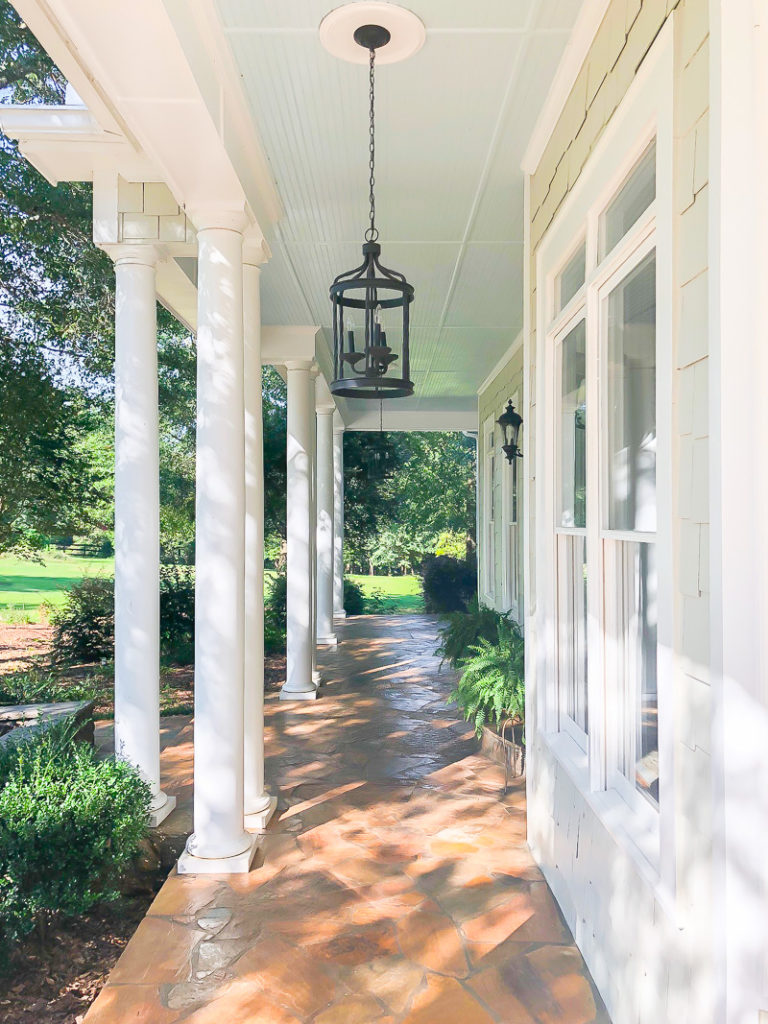
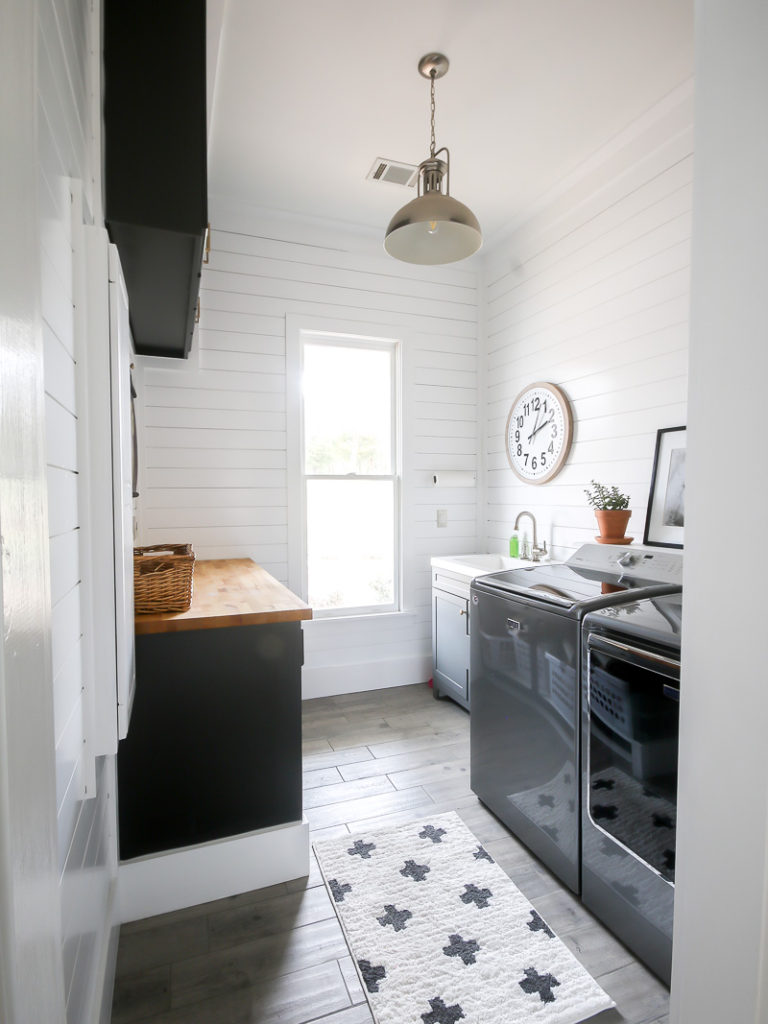
Painted ceilings are one of the most impactful design decisions you can make — and they cost far less than adding new trim, beams, or wallpaper. Whether you’re designing a cozy bedroom, dramatic dining room, or a kitchen renovation for a client (see below fora picture of our latest DMF project), painting the ceiling can completely change the feel of a space.
When we walk into a room, most of us notice the floors, the furniture, and maybe the wall color. But the ceiling? Not always.
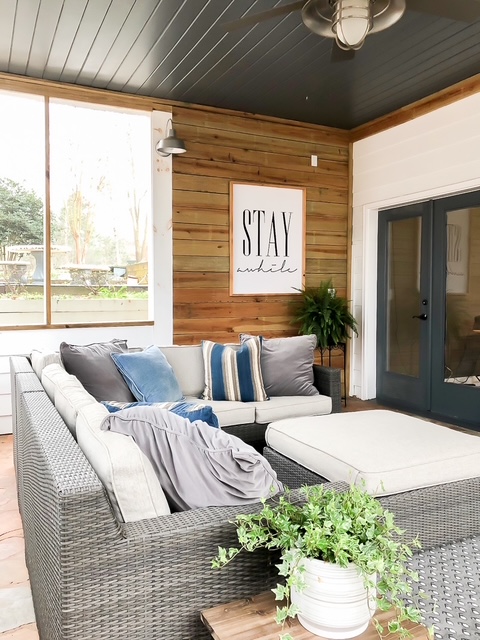
With my many years with home improvement projects and jobs through DMF Home Improvement, I’ve realized this: The ceiling is your fifth wall. And it deserves some love. Remember that!
4 reasons to paint your ceiling dark here
The Design Benefits of Painted Ceilings
1. Creates Instant Depth and Warmth
A painted ceiling eliminates the harsh contrast of bright white against colored walls. Instead, it wraps the room in softness. This works beautifully in:
- Bedrooms
- Dining rooms
- Home offices
- Moody living spaces
Deeper tones make a space feel grounded and cozy. Lighter tones create subtle elegance without feeling flat.
2. Makes a Room Feel Larger (Yes, Really)
It sounds backward — but when walls and ceiling are painted the same color, the eye doesn’t stop at a harsh white line. The room feels seamless and expansive.
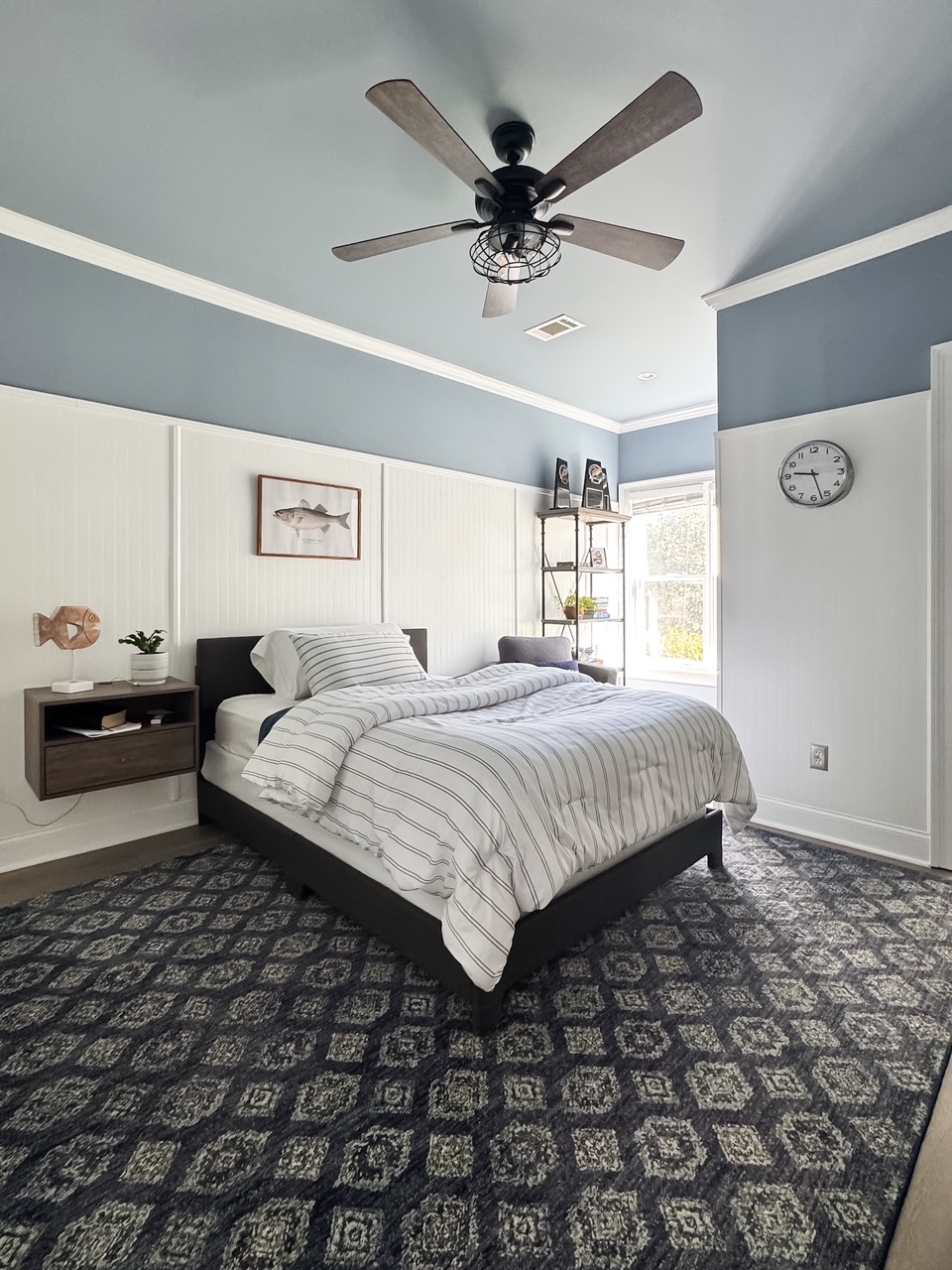
This is especially helpful in:
- Rooms with 8-foot ceilings
- Narrow hallways
- Smaller bedrooms
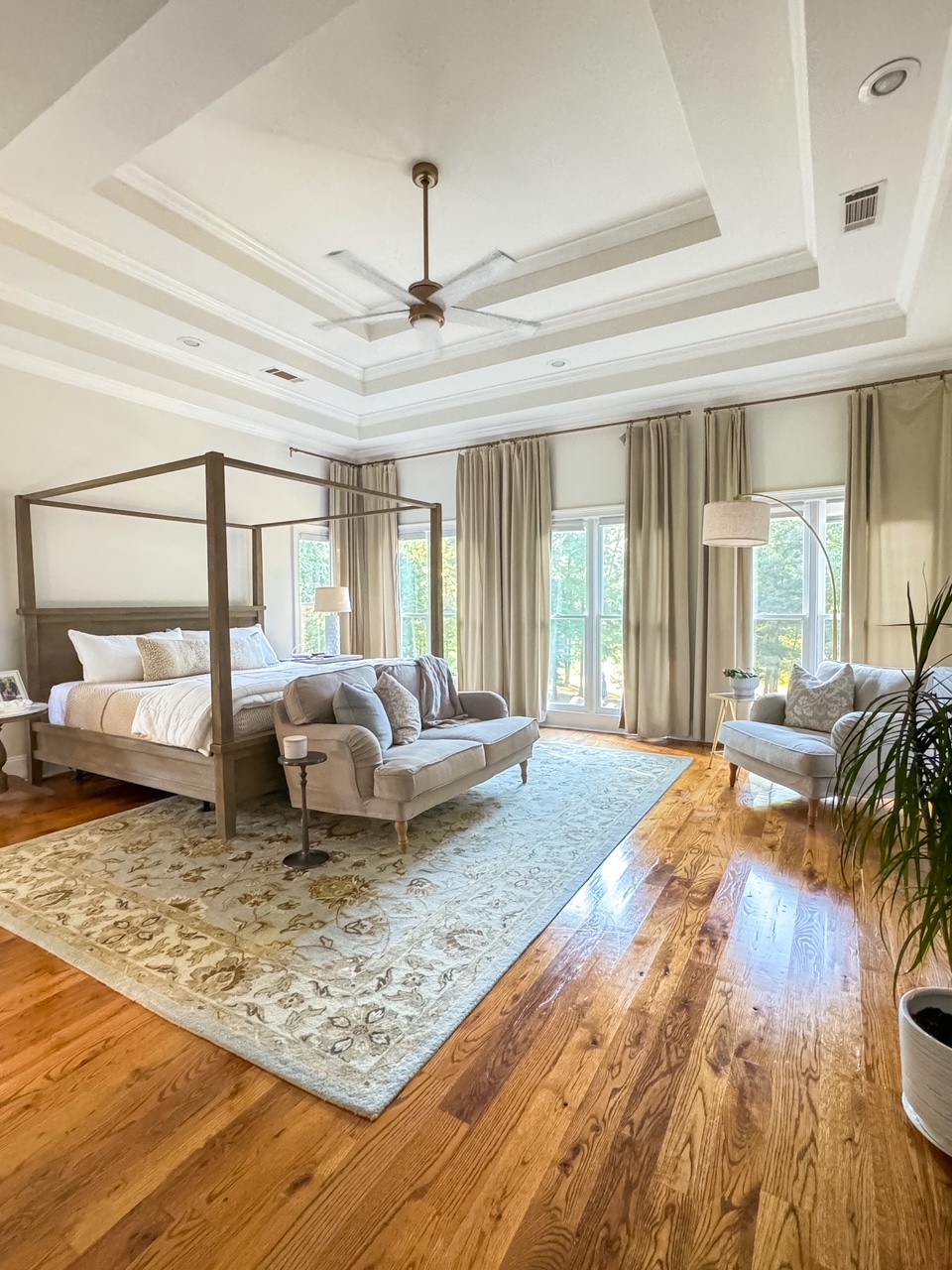
A half-strength ceiling color (50% lighter than wall color) is a designer trick that softens contrast while maintaining dimension.
See this bedroom reveal here
3. Adds Drama Without Adding Clutter
If you love bold design but don’t want more decor, painted ceilings are your answer.
Think:
- Navy ceiling in a dining room
- Soft blush in a bedroom
- Olive green in a kitchen
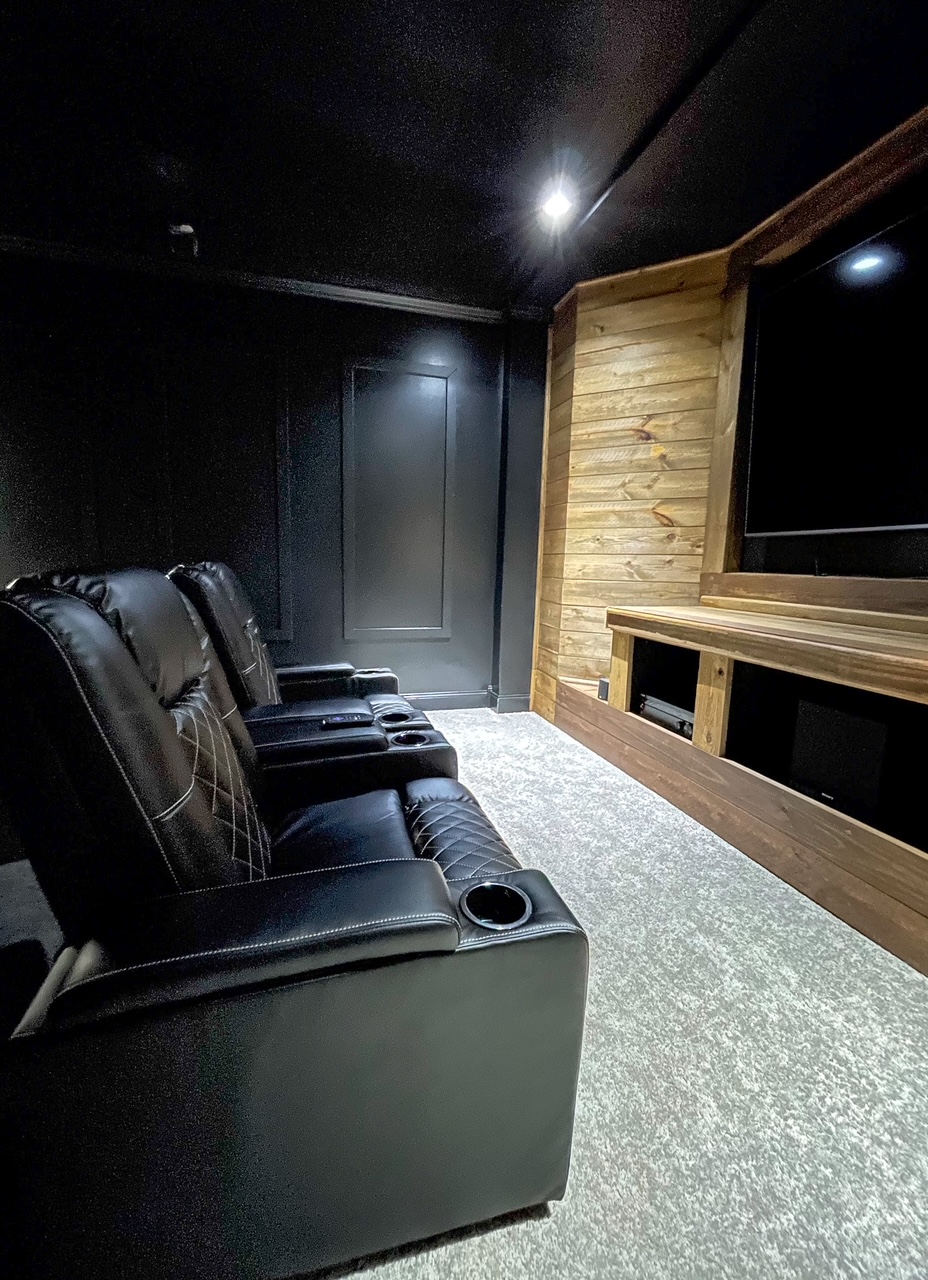
- Matte black in a powder room or media room
4. Enhances Architectural Features
Painted ceilings work beautifully with:
- Crown molding
- Shiplap ceilings
- Exposed beams
- Vaulted ceilings
- Plank ceilings
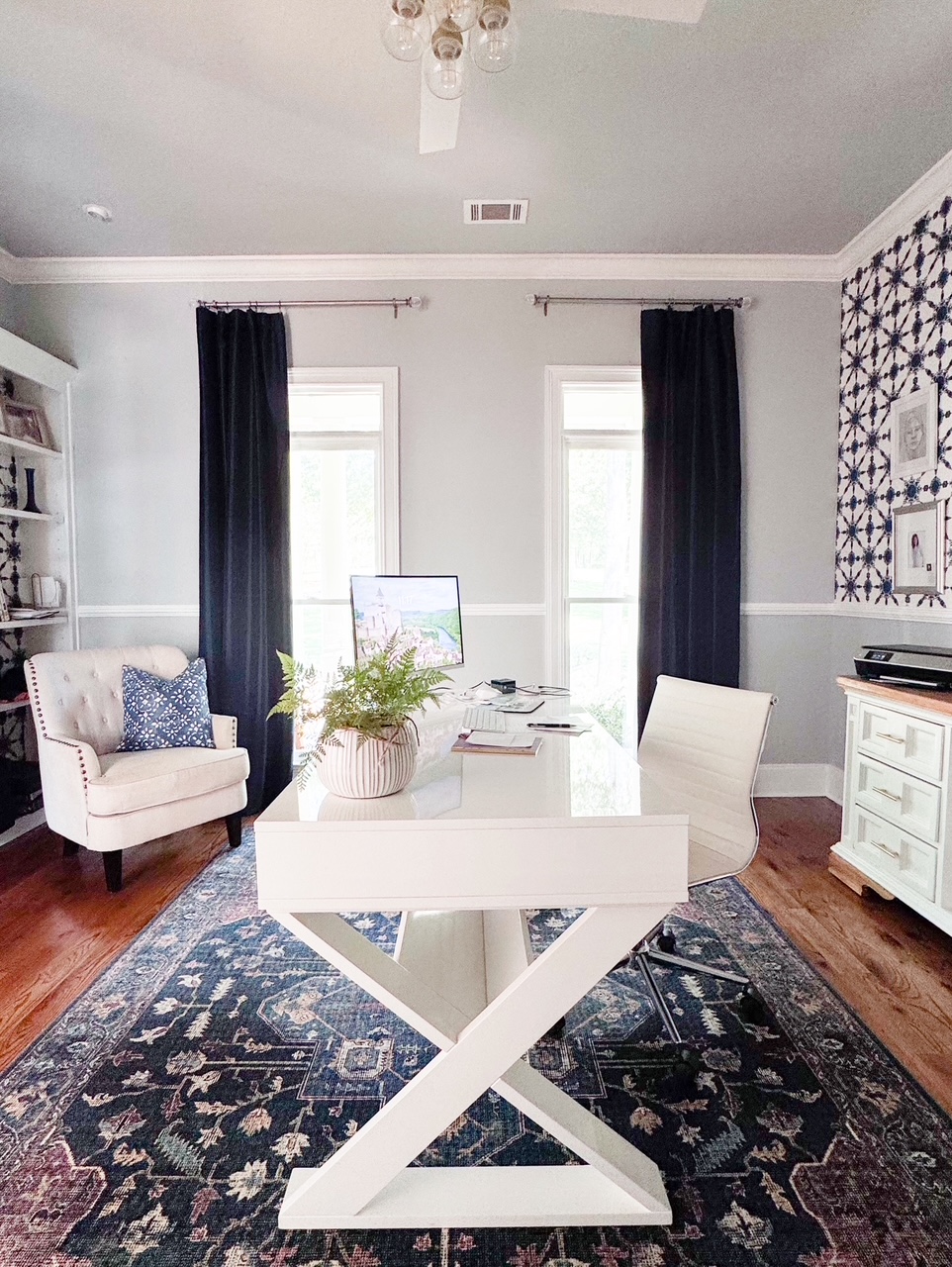
Design tip: When beams are involved, painting everything one color can create a seamless custom look. Alternatively, contrasting beams against a painted ceiling creates depth and dimension.
How to Properly Paint a Ceiling (The Professional Way)
Painting a ceiling is not the same as painting a wall. If done incorrectly, you’ll see roller marks, flashing, and uneven sheen.
Here’s the process.
Step 1: Use the Right Paint Finish
For ceilings, use:
- Flat or matte finish (most forgiving) I most always use flat and the Super Paint from Sherwin Williams. (not sponsored…just love the paint)
- Ceiling-specific paint (formulated to reduce splatter)
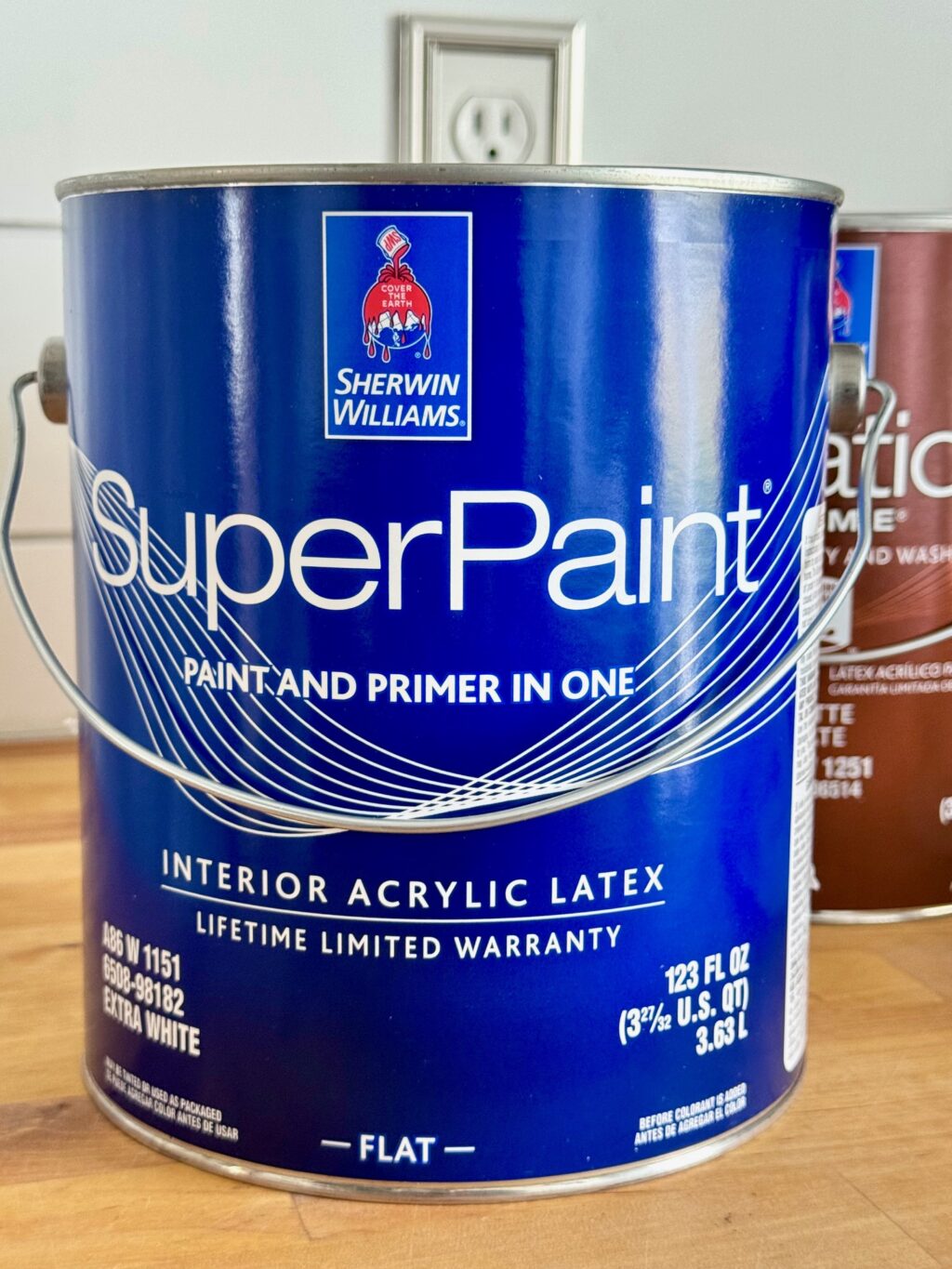
Avoid eggshell or satin unless you want to highlight imperfections.
Step 2: Prep Matters More Than You Think
Before painting:
- Remove dust and cobwebs
- Repair cracks or nail pops
- Sand patched areas smooth
- Prime if covering stains or darker colors
Skipping prep leads to visible texture differences once light hits the ceiling. Trust me, you will notice them.
Step 3: Cut In First
Cutting in first will save a lot of time with your project and rolling will go more smoothly. Use a quality angled brush to cut in along: These are my go to paint brushes.
- Crown molding
- Wall edges
- Light fixtures
Work in manageable sections so your roller blends into wet paint.
Step 4: Roll in the Correct Direction
This is where many DIYers go wrong.
✔ Roll in one consistent direction
✔ Maintain a wet edge
✔ Work sections
✔ Slightly overlap each pass
For final coat:
- Roll toward the primary light source (usually windows) to minimize visible lines.
Use a ⅜”–½” nap roller depending on texture of your ceiling.
Step 5: Apply Two Coats
Ceilings almost always require two coats. Always, regardless of paint and color.
Even if it looks covered — it probably isn’t. Uneven sheen and patchiness will show once dry if you stop at one coat.
Common Painted Ceiling Mistakes to Avoid
- Using too much paint on the roller
- Not maintaining a wet edge
- Using high sheen
- Painting over dust
- Not protecting floors properly
Ceilings can be tough on the neck and arms. If the room is large or ceilings are 10+ feet (which we see often in our projects), hiring professionals can save your neck — literally.
FAQs About Painted Ceilings
Are painted ceilings trending?
Yes. Designers are increasingly using color drenching and ceiling treatments to create custom, high-end spaces.
Do painted ceilings make rooms feel smaller?
Only if you choose very dark colors in already low, poorly lit rooms. Otherwise, they add depth and sophistication.
What is the best paint finish for ceilings?
Flat for most applications.
Can you paint a textured ceiling?
Yes, but use a thicker nap roller and expect higher paint usage.
Painted ceilings are one of the simplest ways to elevate a space without major renovation. And when done properly, they look intentional — not accidental.
Next time you walk into a room, look up. What do you see?